

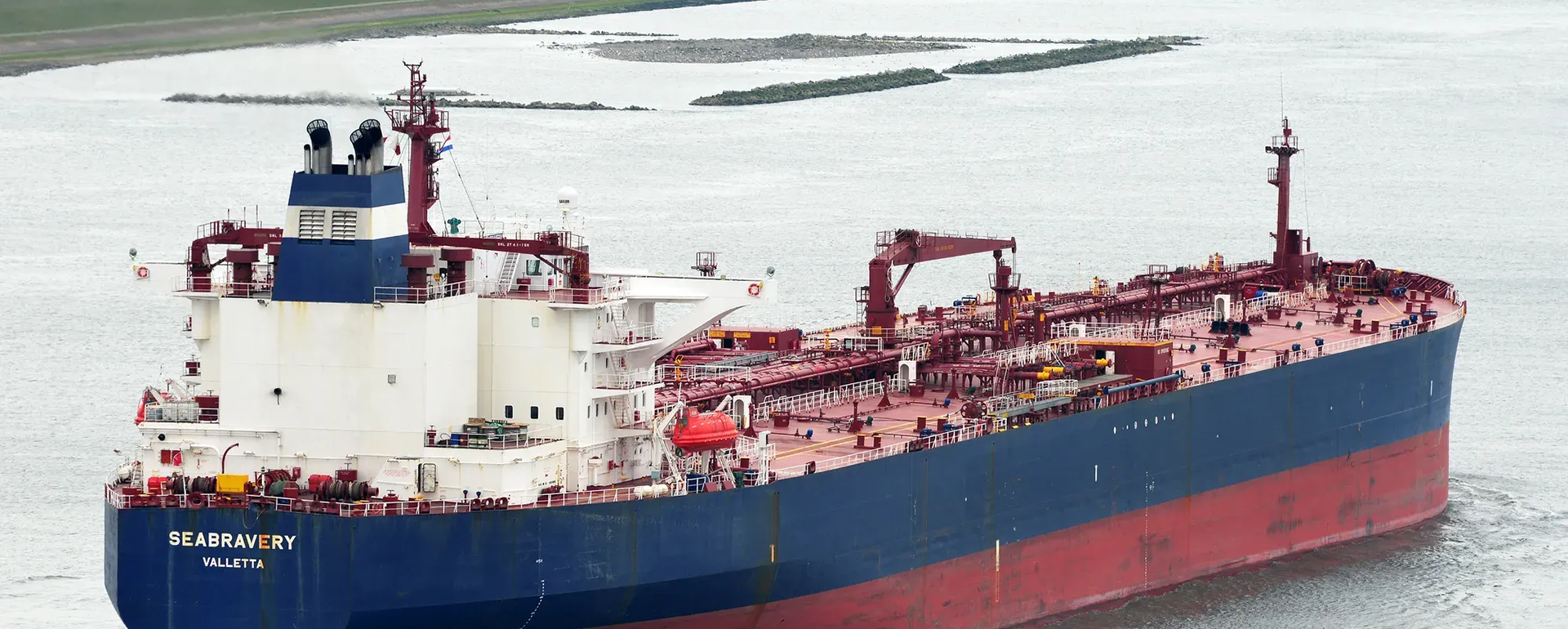
From its Barcelona based office, PSE Cement Trading handles a wide range of high quality cementitious products, making us, at all times a reliable partner, for our clients.
Our Product profile mainly consists of the following:
Clinker
OPC
Gypsum
Bagged OPC
Solid Fuel
GBFS
Not limited to these core products, PSE Cement Trading, also specializes in the supply of :
Pozzolan, Lime stone, Silica Fumes, Bauxite
and other products on demand
Clinker
/ 01
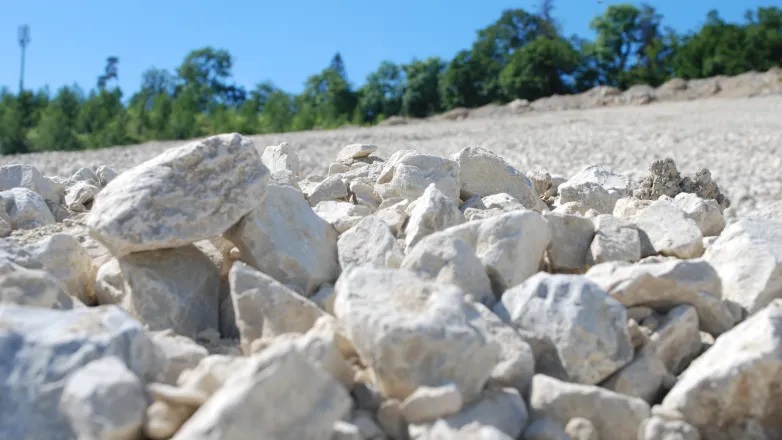
Cement clinker is a solid material produced in the manufacture of portland cement as an intermediary product. Clinker occurs as lumps or nodules, usually 3 millimetres (0.12 in) to 25 millimetres (0.98 in) in diameter. It is produced by sintering (fusing together without melting to the point of liquefaction) limestone and aluminosilicate materials such as clay during the cement kiln stage.
OPC
/ 02
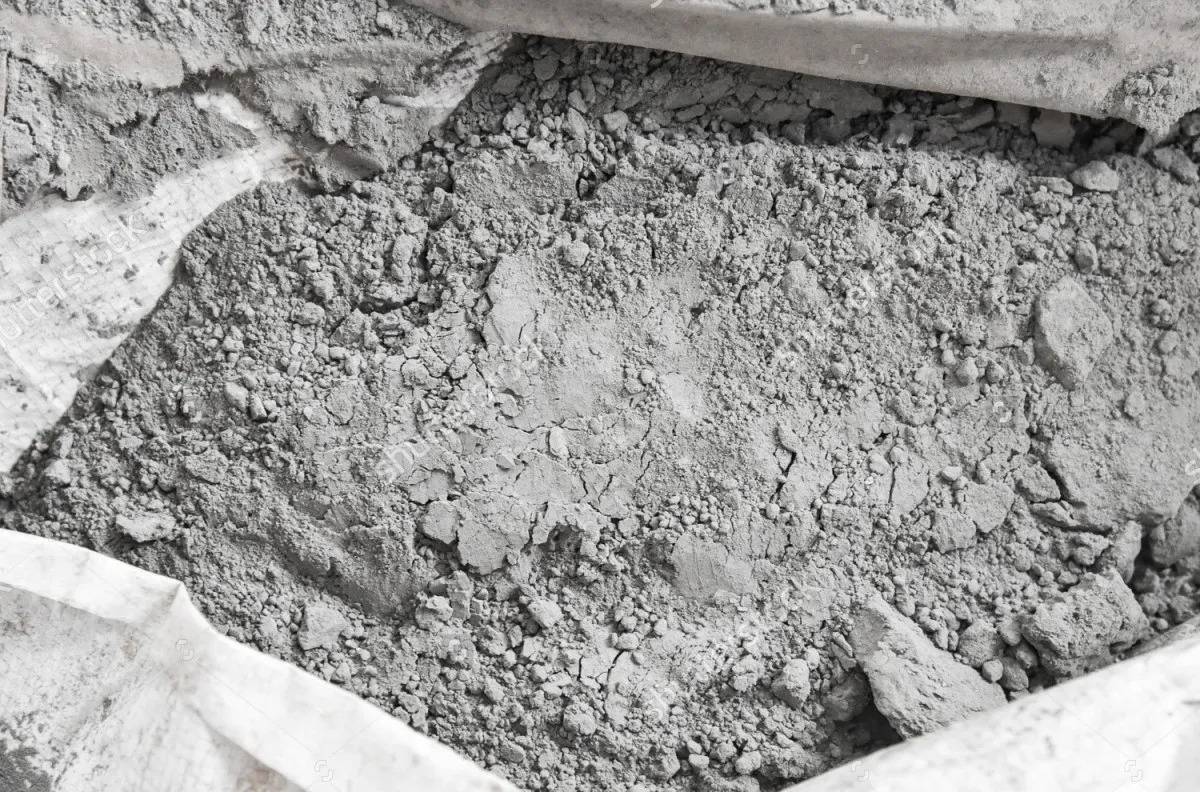
Portland cement is the most common type of cement in general use around the world as a basic ingredient of concrete, mortar, stucco, and non-specialty grout. It was developed from other types of hydraulic lime in England in the early 19th century by Joseph Aspdin, and is usually made from limestone. It is a fine powder, produced by heating limestone and clay minerals in a kiln to form clinker, and then grinding the clinker with the addition of several percent (often around 5%) gypsum.
Several types of portland cement are available. The most common, historically called ordinary portland cement (OPC), is grey, but white portland cement is also available.
Gypsum
/ 03
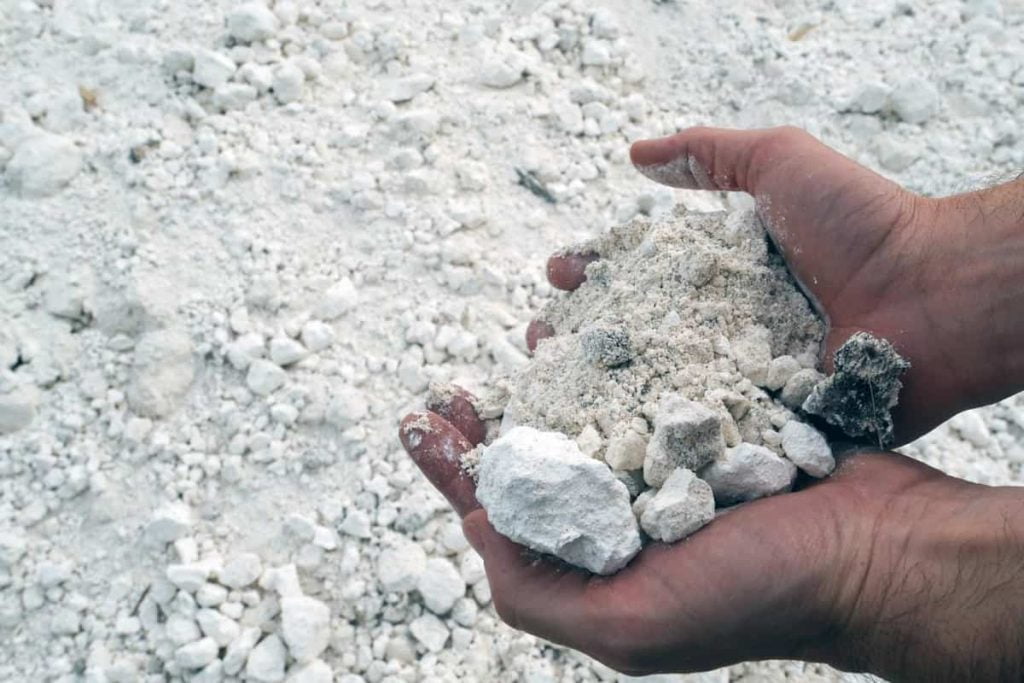
Gypsum is a soft sulfate mineral composed of calcium sulfate dihydrate, with the chemical formula CaSO4·2H2O. It is widely mined and is used as a fertilizer and as the main constituent in many forms of plaster, drywall and blackboard or sidewalk chalk. Gypsum also crystallizes as translucent crystals of selenite. It forms as an evaporite mineral and as a hydration product of anhydrite. The Mohs scale of mineral hardness defines gypsum as hardness value 2 based on scratch hardness comparison.
Fine-grained white or lightly tinted forms of gypsum known as alabaster have been used for sculpture by many cultures including Ancient Egypt, Mesopotamia, Ancient Rome, the Byzantine Empire, and the Nottingham alabasters of Medieval England.
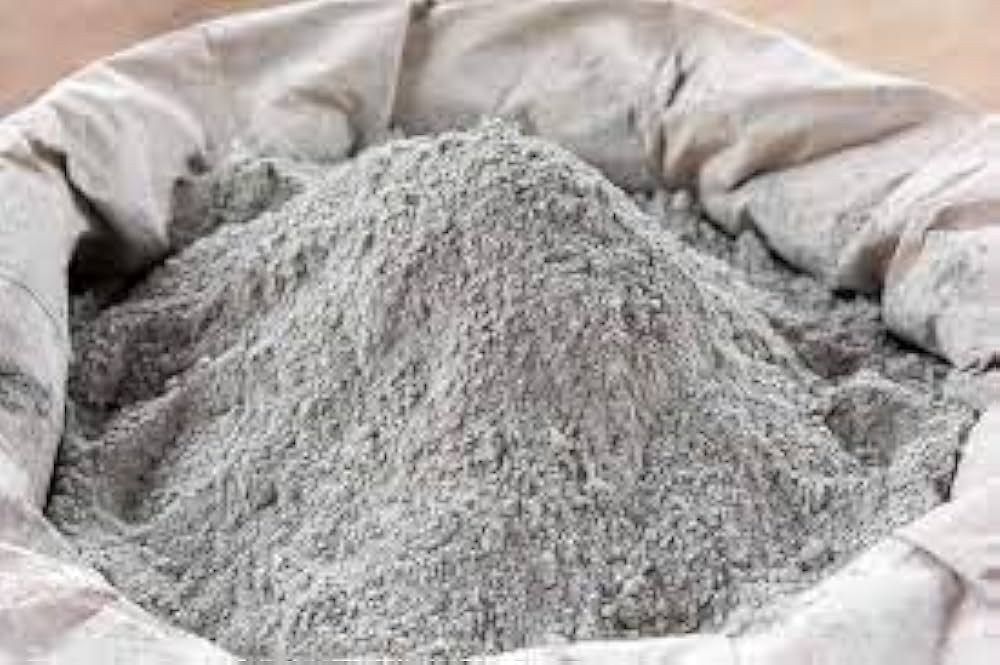
Bagged OPC
/ 04
lorem ipsum dolor sit amet consectetur adipiscing elitnsequat urna vel dui vestibulum eget fermentum elit tincidunt llam nec leo ac metus.
GBFS
/ 06
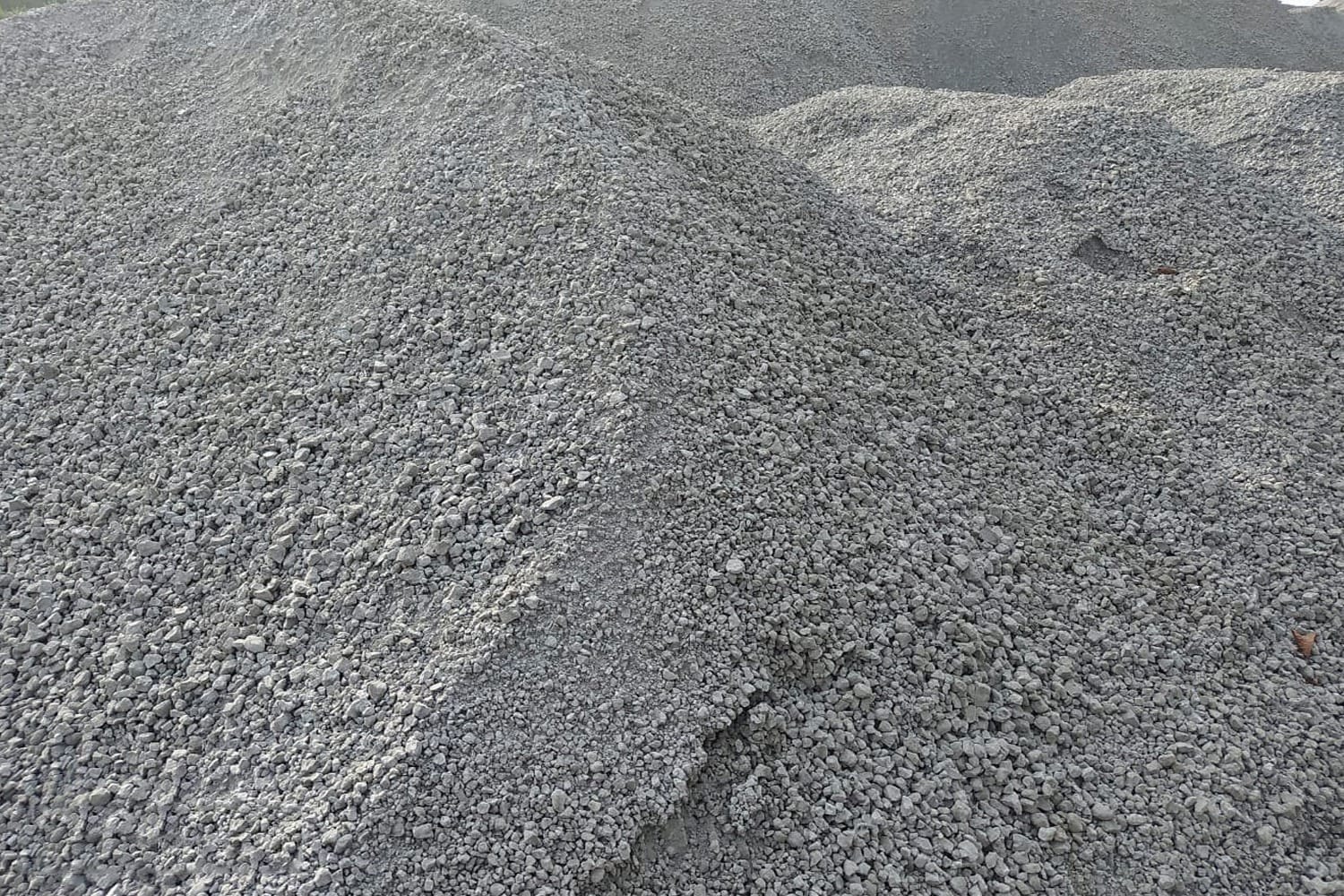
Ground granulated blast-furnace slag (GGBS or GGBFS) is obtained by quenching molten iron slag (a by-product of iron and steel-making) from a blast furnace in water or steam, to produce a glassy, granular product that is then dried and ground into a fine powder. Ground granulated blast furnace slag is a latent hydraulic binder forming calcium silicate hydrates (C-S-H) after contact with water. It is a strength-enhancing compound improving the durability of concrete. It is a component of metallurgic cement (CEM III in the European norm EN 197).
Its main advantage is its slow release of hydration heat, allowing limitation of the temperature increase in massive concrete components and structures during cement setting and concrete curing, or to cast concrete during hot summer.
Shipping
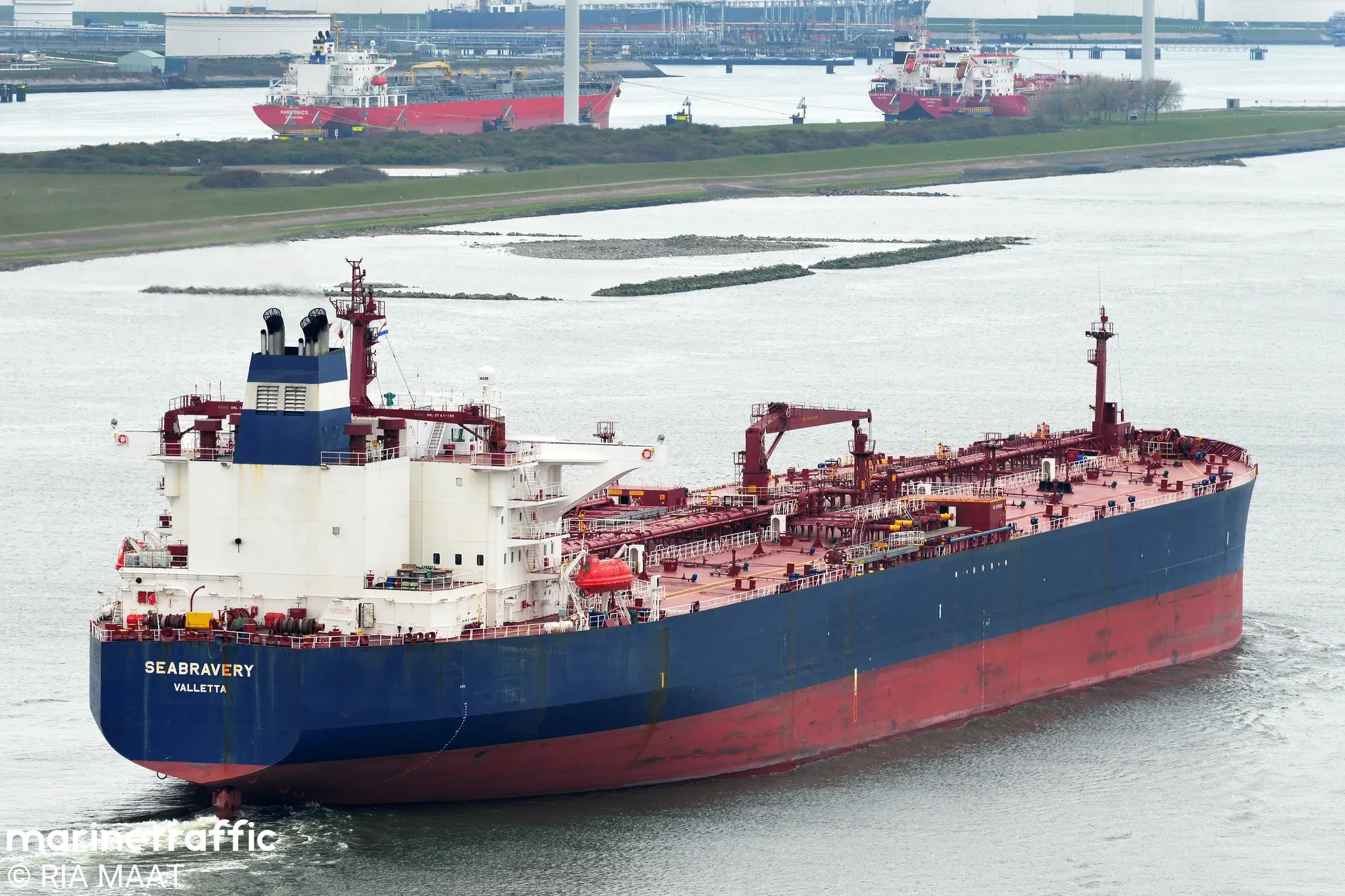
With an experience as a shipowner (Owner of three vessels from the year 2000 to 2004), PSE Cement Trading, and its extensive network of first class shipowers, also renders freight services to its clients (freight contract negotiations, chartering vessels, post fixtures handling and monitoring of voyages from loading to discharging, etc.) making us your perfect partner at all levels of the trading business.

Solid Fuel
/ 05
Solid fuel refers to various forms of solid material that can be burnt to release energy, providing heat and light through the process of combustion. Solid fuels can be contrasted with liquid fuels and gaseous fuels. Common examples of solid fuels include wood, charcoal, peat, coal, hexamine fuel tablets, dry dung, wood pellets, corn, wheat, rice, rye, and other grains. Solid fuels are extensively used in rocketry as solid propellants. Solid fuels have been used throughout human history to create fire and solid fuel is still in widespread use throughout the world in the present day.
Solid fuel from biomass is regarded as a renewable energy source which can contribute to climate change mitigation efforts. Solid fuel from fossil fuels (i.e. coal) is not a renewable energy.